

There is no single best time to visit Sri Lanka. The island’s two monsoon systems affect different regions at different times of year, which means that the best season depends on where you want to go. While one coast may be receiving rain, another can be enjoying its most settled weather.
Start with the places and experiences you want to discover. Once you know whether your journey takes you to the south coast, the east coast or the central highlands, choosing the right time to visit becomes much easier.
Two monsoons, taking turns
Sri Lanka’s climate is shaped by two monsoons and two inter-monsoon periods. The southwest monsoon, generally from May to September, brings rain to the west and south coasts and the western slopes of the central highlands. The northeast monsoon, generally from December to February, affects the north and east. Local conditions vary with elevation and exposure, so these periods are useful seasonal guides rather than guarantees of daily weather.
The inter-monsoon periods fall broadly in March and April, and October and November. During these months, thunderstorms and showers can occur across several parts of the island. Rain may arrive in short, intense spells, rather than as a grey day, but conditions vary from day to day and from one region to another.
December to March: the south west coast and the hills
This is generally the most popular season for the west and south coasts. Conditions are often more settled, although showers can still occur, particularly in December and in the central highlands. January to March is usually a favourable period for combining the southern coastline with the hill country.
On the south-west coast, Aavya Cove Villas is set beside a sheltered bay in Balapitiya, making it a relaxed base for exploring the coastline and nearby Galle Fort. Further south, whale-watching trips operate off Mirissa during the broad season from November to April; sightings are never guaranteed and conditions vary.
Inland, the annual Adam’s Peak pilgrimage season traditionally begins around the December full moon and continues until the Vesak full moon in May. Around Hatton, the tea country is often cooler and relatively dry during the first months of the year. This is also the principal quality season for Dimbula teas grown on the western slopes.
April: between seasons
April brings the Sinhala and Tamil New Year, usually celebrated on 13 and 14 April. It is an important time for family travel and local festivities, and transport and accommodation can be busy around the holiday itself. April is also part of the first inter-monsoon period, when hot conditions and occasional thunderstorms are common before the southwest monsoon typically strengthens from May.
May to September: the east coast’s turn
When the southwest monsoon settles over the west and south, the east coast has its season. Trincomalee and Arugam Bay are at their best from about May to September.
The western slopes of the hill country receive more rain during these months, although the landscape is often at its greenest. It can also be a quieter period for travel in some areas, with more flexibility in accommodation and itineraries; actual rates and availability depend on the dates and property.
Kandy has its own reason to visit during this season. The Esala Perahera, a series of processions honouring the Sacred Tooth Relic, is usually held in July or August, with dates varying each year. Set in the foothills of the Knuckles range, around 30 to 45 minutes north of Kandy, Aarunya Nature Resort offers a different perspective on the season: mist, forest and the vivid green of the central highlands.

October and November: the honest answer
October and November are part of Sri Lanka’s second inter-monsoon period, when rainfall can affect much of the island. These months are often among the wetter parts of the year in the south-west and central regions, although the timing and intensity of showers vary. Travellers should plan with flexibility rather than assume that every day will be wet.
That does not make them a poor time to visit. There can still be bright spells between showers, and popular sites may feel quieter ahead of the December holiday season. This period can suit travellers who are comfortable adapting their plans to the weather and would rather explore at a gentler pace.
It is also the right moment to plan the winter, while there is still a choice of dates.
The hills, whatever the month
Elevation makes a noticeable difference to the climate. Coastal areas are generally hot and humid, Kandy is usually cooler, and higher destinations such as Nuwara Eliya can feel distinctly cool, particularly after sunset. Pack a light layer for evenings in the hill country, whatever time of year you travel.
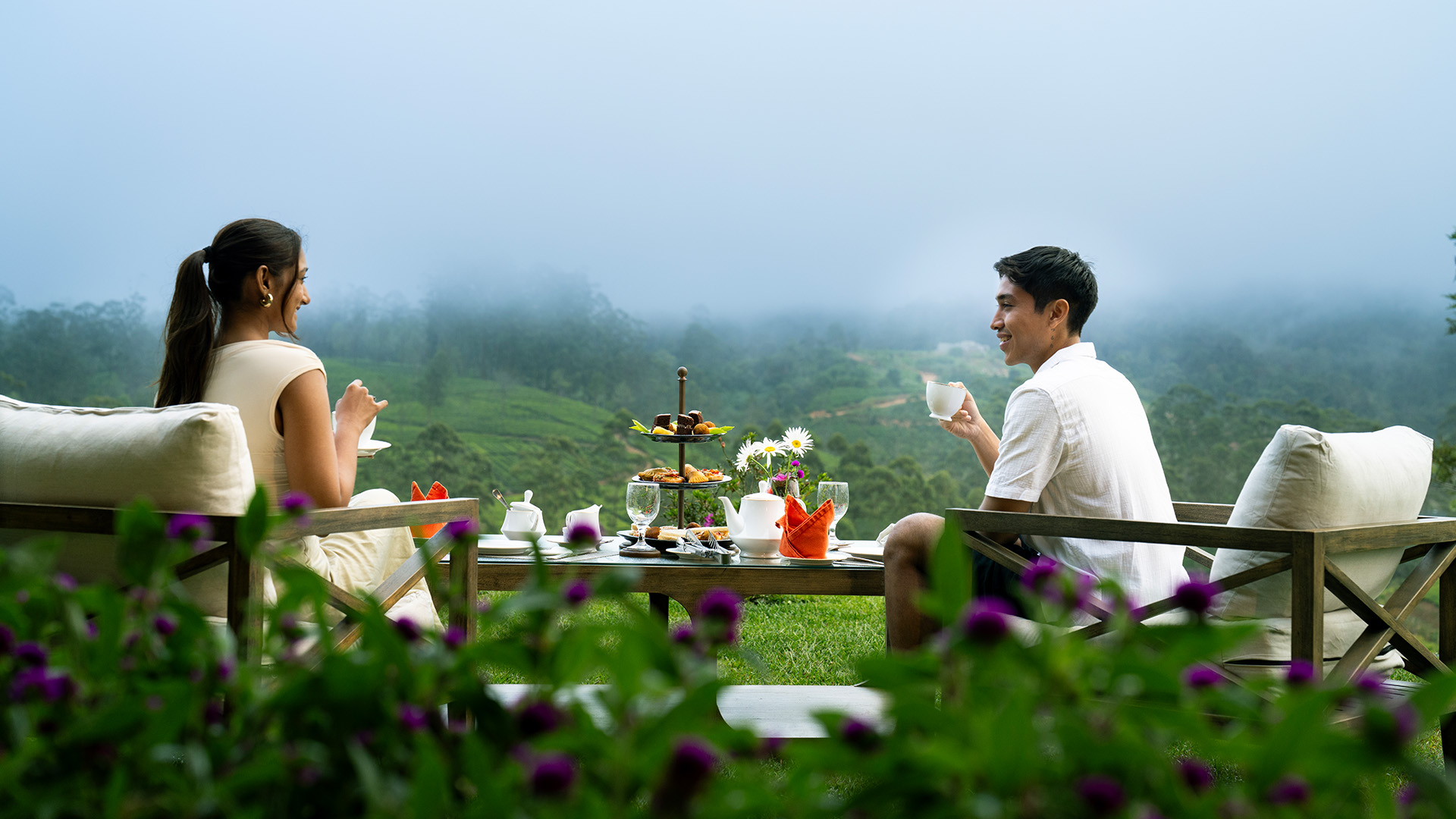
At Aadya Tea Bungalows, on the Meriacotta Estate near Hatton and bordering the Peak Wilderness Sanctuary, the change is tangible. By late afternoon, mist can move across the tea slopes and the temperature drops, creating a distinctly different atmosphere from the warmth of the coast.
The best time to visit Sri Lanka, in short
The most rewarding Sri Lanka itineraries work with the seasons: the west and south coasts and the central highlands during the drier months, the east coast paired with the hills (also on the way to/from the airport) during the southwest monsoon, and a more flexible pace during the inter-monsoon periods.
Stay longer in fewer places and the weather matters less. A wet afternoon is only a problem when you have somewhere else to be. Also rain and mist is a large part of the charm of the hill country.
Frequently asked questions
What is the best month to visit Sri Lanka?
For the west and south coasts, December to March is generally the more settled season. The east coast, including Trincomalee and Arugam Bay, is usually best from about May to September. The central highlands from Aarunya in Kandy to Aadya in upcott are magical all year round. Conditions vary by region and year.
Is October a good time to visit Sri Lanka?
October is part of the second inter-monsoon period, when showers can affect many parts of Sri Lanka. Rainfall and timing vary, so it can suit travellers with flexible plans who are comfortable allowing for changing conditions.
When can you see whales in Sri Lanka?
Whale-watching trips operate off Mirissa broadly from November to April, although sightings are never guaranteed and trips depend on sea and weather conditions.


