

Every cup of Ceylon tea begins in the fields, where the tender top leaves and unopened bud are carefully selected. On a working tea estate in Sri Lanka’s hill country, a morning among the rows reveals the skill, time and care behind a familiar cup.
The tea country around Hatton and Maskeliya is an especially rewarding place to discover this heritage. Here, the plantations are not simply part of the scenery: tea cultivation remains central to the landscape and to the lives of the communities connected to the estates.
How tea came to the hills
Tea was not the island’s first major plantation crop. During the nineteenth century, the central highlands were dominated by coffee. Coffee leaf rust, first identified in Ceylon in 1869, devastated the industry over the following decades and accelerated the shift towards tea.
Tea was already being trialled. Scottish planter James Taylor established an early commercial tea enterprise at Loolecondera, south-east of Kandy, in the 1860s. The first Colombo tea auction followed in 1883, and tea subsequently became the island’s dominant plantation crop. The transition reshaped the highlands and the communities who worked the estates.
Two leaves and a bud
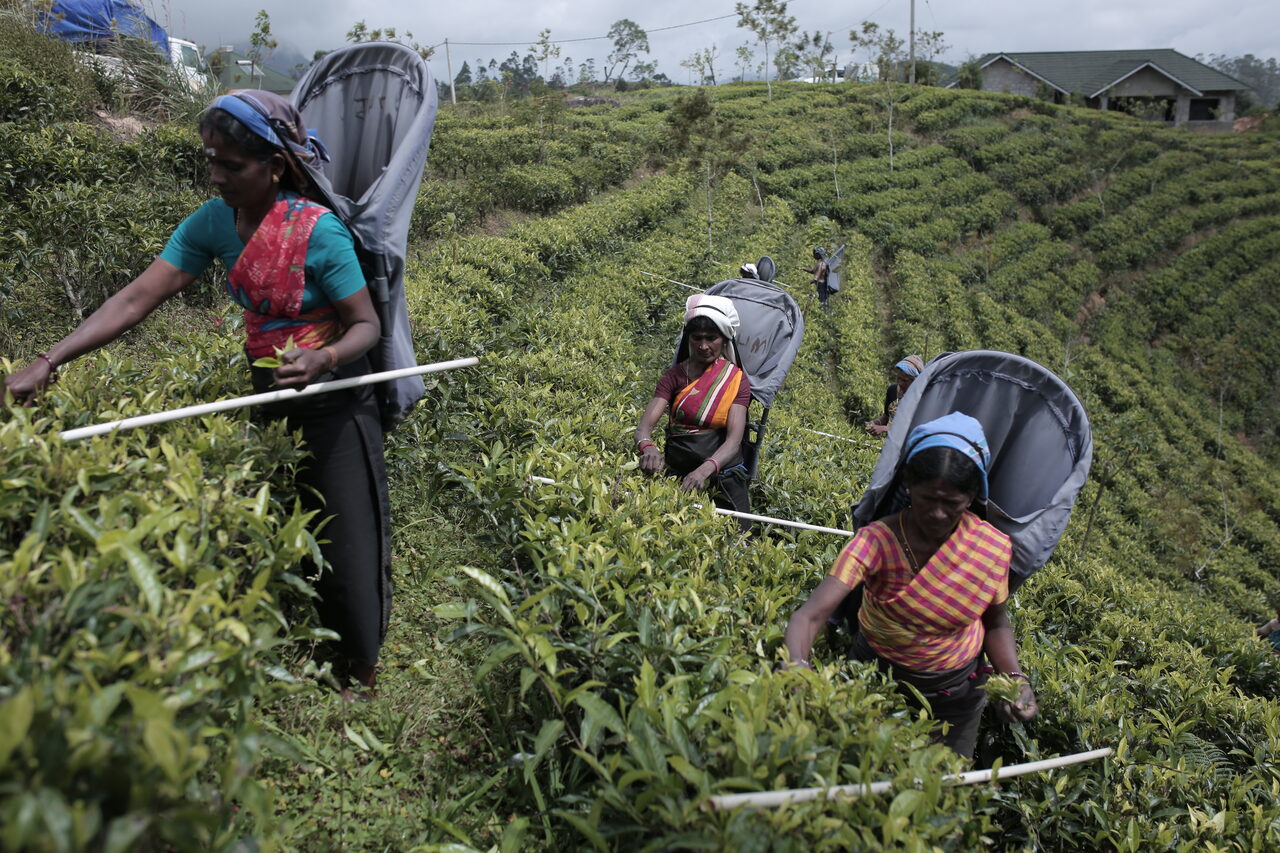
Tea is still hand-plucked on many Sri Lankan estates, with women making up a large part of the plucking workforce. The familiar standard is to select the tender top two leaves and the unopened bud, although plucking practices and quantities vary with the estate, the season and the type of tea being produced.
Many estate communities are part of Sri Lanka’s Hill Country Tamil community, whose history is closely tied to the migration of workers from South India under the colonial plantation system. Generations of families have contributed to the cultivation of tea and the life of the highlands. Their history deserves to be understood as an integral part of the story of Ceylon tea.
The factory, step by step
For orthodox black tea, freshly plucked leaves are first spread out to wither, reducing their moisture and making them pliable. The duration depends on the leaf and the factory’s method. The leaves are then rolled to bruise them and begin the chemical processes that develop the tea’s character.
For black tea, oxidation follows rolling; its duration and conditions influence the finished tea’s colour, aroma and flavour. The leaves are then dried to halt oxidation before being sorted into grades. Green tea is made differently: the fresh leaf is heated early in the process to prevent or limit oxidation.
Why the western slopes taste the way they do
Sri Lanka’s Tea Board recognises seven growing regions: Dimbula, Kandy, Nuwara Eliya, Ruhuna, Sabaragamuwa, Uda Pussellawa and Uva. Height matters as much as place. Tea grown below 600 metres is called low grown, up to 1,200 metres mid grown, and anything above that high grown.
Hatton sits among the estates of Dimbula, whose districts include Dickoya and Maskeliya, and whose tea is high grown, most of it above 1,250 metres.

Dimbula’s quality season runs from the turn of the year to about March. By the time the northeast monsoon’s winds cross the central mountains they have lost their moisture, and the western slopes get the cool, dry weather that gives the region its finest teas. The same estates take the southwest monsoon’s rain from May to September.
Look for the Lion logo on a pack. It is the Tea Board’s own mark, and it guarantees tea that is 100 percent Ceylon and packed in Sri Lanka.
Staying on a working estate
Aadya Tea Bungalows stands on the Meriacotta Estate, a once derelict 200-acre plantation bordering the Sri Pada Peak Wilderness Sanctuary. Its restoration, the largest private tea estate rehabilitation in the country, was carried out alongside the families and workers who have cared for the land for generations, and it remains a working estate. The tea is grown with traditional and regenerative methods, with intercropping and careful work on the soil.
Guests can take part in a guided tea experience, learning how to select the tender leaves and bud and how hand processing shapes the finished tea. The experience can be followed by high tea. For stays of two nights or longer, a private guided visit to Norwood tea factory can offer a closer look at production, subject to availability and advance arrangements. On clear days, a canoe outing on Castlereagh Reservoir reveals views towards Sri Pada.
When to visit a tea plantation: Sri Lanka’s best months
Tea is plucked throughout the year, so a visit to a working estate can be rewarding in any season. Around Hatton, January to March is generally a favourable period for drier weather and for experiencing the Dimbula quality season. Factory operations and estate activities should be confirmed in advance – speak to our team.
Book the factory visit early in your stay. The cup you drink on the last afternoon tastes different once you have watched it being made.
Frequently asked questions
What does two leaves and a bud mean?
It refers to the tender top two leaves and the unopened bud selected from a tea shoot. This careful plucking standard is widely used for quality orthodox teas.
When is the best time to visit a tea plantation in Sri Lanka?
Tea is plucked throughout the year. Around Hatton, January to March is generally a favourable period for drier weather and coincides with the Dimbula quality season.
How is Ceylon tea made?
For orthodox black tea, leaves are withered, rolled, oxidised and dried before being sorted into grades. The exact timing and temperature depend on the tea and the factory process; green tea follows a different process that limits oxidation.


